TPO vs. PVC Roofing for San Diego Commercial Buildings: Full Comparison
By RC Roofing12 min read
Both qualify under California Title 24 cool roof standards and use heat-welded seams for watertight performance.
What Are TPO and PVC Roofing Membranes?
TPO (Thermoplastic Polyolefin) and PVC (Polyvinyl Chloride) are the two dominant single-ply membrane systems used on low-slope commercial roofs across San Diego County and the broader US market. TPO is a rubber-based membrane compounded from ethylene, polypropylene, and rubber, typically manufactured in white or light gray. PVC is a thermoplastic membrane reinforced with polyester or fiberglass scrim and plasticized for flexibility. Both come in 45-mil, 60-mil, and 80-mil thicknesses. Single-ply membranes dominated commercial installations with a 47.12% share of all commercial roofing product types (maximizemarketresearch.com), and the global commercial single-ply membrane market was valued at USD 2484 Million in 2025, projected to reach USD 4207.72 Million by 2032 at a 7.82% CAGR (maximizemarketresearch.com). That growth reflects real contractor adoption: nationally, single-ply accounts for 80% of the most frequently installed commercial roofing categories and contributes a 28% average share of overall contractor revenue (roofingcontractor.com).
How TPO and PVC Membranes Differ in Material Composition
The most consequential material difference between TPO and PVC is the use of plasticizers. PVC requires plasticizers to achieve the flexibility needed for installation and long-term performance. Early PVC formulations used plasticizers that migrated out of the membrane over time, causing brittleness and cracking after 15-20 years. Modern PVC formulations have largely resolved this through higher-quality plasticizer packages and improved polymer blending. TPO contains no plasticizers at all, which eliminates that aging mechanism but introduces a different trade-off: TPO's long-term UV stability depends heavily on the quality of the base polymer formulation, which varies significantly between manufacturers. TPO is fully recyclable and chlorine-free, making it the more environmentally favorable option at end of life. PVC contains chlorine, which raises concerns during manufacturing and disposal but directly contributes to PVC's superior fire resistance and chemical durability. For San Diego commercial property owners choosing between the two, this compositional difference is not abstract. It determines how each membrane behaves over decades of intense Southern California sun, coastal salt air, and the occasional grease exhaust from a rooftop kitchen vent.
How San Diego's Climate Affects TPO vs. PVC Performance
San Diego's climate is often described as mild, but that framing understates the specific stresses it places on flat commercial roofs. The city averages roughly 266 sunny days per year, generating an extreme cumulative UV load on membrane surfaces. Santa Ana wind events push gusts of 50-80 mph across rooftops in inland San Diego neighborhoods, stressing membrane seams and flashings. Atmospheric river events periodically deliver 3-6 inches of rain in 24 hours, demanding airtight seam integrity. Both TPO and PVC qualify as California Title 24 cool roofs, with white PVC reflecting approximately 90% of sunlight. California Title 24 sets a minimum aged solar reflectance of 0.63 and thermal emittance of 0.75 for low-slope residential applications in high-heat climate zones (usmadesupply.com). Both membranes exceed those thresholds in standard white formulations, meaning either system will help reduce cooling loads in San Diego commercial buildings. The energy efficiency advantage is real: TPO membranes can reflect up to 80% of solar heat, making them highly desirable for energy-conscious businesses (maximizemarketresearch.com). Both are reflective cool-roof membranes that help reduce heat gain, which fits San Diego's sunny climate well.
Which Membrane Holds Up Better Under San Diego's Intense UV Exposure
PVC has a 50-plus-year track record of documented outdoor weathering performance, giving it a clear evidentiary advantage in high-UV coastal and inland desert climates like those found across San Diego County. TPO was introduced commercially in the early 1990s, giving it roughly 30 years of field data compared to PVC's six decades. That gap matters when a property owner is making a 25-year roofing decision. Lower-grade TPO products show chalking and surface oxidation after 10-12 years of direct sun exposure, a problem concentrated in San Diego's inland ZIP codes like El Cajon, Santee, and Lakeside, where summer rooftop surface temperatures can exceed 170 degrees Fahrenheit. Premium 60-mil and 80-mil TPO from manufacturers like Carlisle or GAF performs comparably to PVC over long time horizons, but the quality variance across the TPO market is wider than it is for PVC. Durability and lifespan are cited frequently in contractor materials: most TPO roofing systems last 20-30 years while PVC systems can reach 30-40 years with quality installation. PVC is often positioned as the premium, longer-lasting choice in harsher exposure conditions, and San Diego's UV intensity makes that positioning defensible with field evidence. The minimum recommended thickness for San Diego installations is 60-mil for both membranes, versus the 45-mil standard used in milder climates.
How TPO and PVC Handle San Diego's Coastal Salt Air and Moisture
For commercial buildings within 1-2 miles of the Pacific coastline, including areas like La Jolla, Mission Beach, Ocean Beach, and Coronado, salt-laden air accelerates membrane surface chalking and can compromise adhesive bond integrity at flashing terminations. PVC's chlorine-based chemistry provides a measurable edge in resisting salt air deterioration, making it the stronger specification choice for oceanfront or near-ocean San Diego commercial properties. For a coastal property with heavier exposure, PVC can be the better fit because of its stronger resistance profile. TPO seams in coastal zones require more frequent inspection, ideally annually, particularly at HVAC curb flashings, parapet wall terminations, and skylight perimeters common on San Diego commercial rooftops. Both systems perform well in San Diego's occasional heavy rain events, provided seams are properly welded and drains are maintained free of debris. The atmospheric river events that periodically strike Southern California create ponding water conditions on improperly sloped flat roofs, making drain placement and tapered insulation installation critical regardless of membrane type.
TPO vs. PVC Cost Comparison for San Diego Commercial Roofs
Cost is where TPO wins decisively for most San Diego commercial property owners. Nationally, TPO installation labor runs $3 to $7 per square foot (homeadvisor.com), which aligns with San Diego's market given the region's higher prevailing wage rates. California prevailing wage requirements and City of San Diego permit fees add $0.50 to $1.50 per square foot to any commercial membrane project (homeadvisor.com). Insulation upgrades to meet California Title 24 commercial minimums (R-25 to R-30) add another $1.50 to $3.00 per square foot to the project budget. TPO is generally the budget-friendlier, energy-efficient option, while PVC is the more premium membrane. That said, PVC's longer documented lifespan of 30-40 years versus 20-30 years for quality TPO installations can offset the upfront premium over a full building ownership cycle.
What Factors Drive Cost Differences on San Diego Commercial Roofing Projects
Beyond membrane material, several project-specific factors drive cost on San Diego commercial roofs. Roof slope, drain configuration, and penetration count all affect labor hours on flat rooftops. Buildings in older San Diego commercial districts like Kearny Mesa, Miramar, and National City frequently have legacy drain systems that require reconfiguration during a flat roof replacement, adding scope and cost. PVC adhesives and primers cost more than TPO equivalents, adding material cost on large projects above 20,000 square feet.
Feature-by-Feature Comparison: TPO vs. PVC for San Diego Commercial Roofing
Both TPO and PVC use heat-welded seams, and this is one of the most important technical advantages both systems share over older adhesive-based or ballasted roofing approaches. At RC Roofing, we specify heat-welded seams on every commercial membrane project because the field performance data consistently shows superior longevity compared to tape-based or solvent-welded alternatives. Heat welding fuses membrane sheets together using hot air at temperatures between 700 and 1,000 degrees Fahrenheit, creating a seam that is chemically bonded and typically stronger than the membrane itself when properly executed. This welding process is not interchangeable between membrane types: TPO and PVC require different welding temperatures and dwell times, and an installer must be trained and manufacturer-authorized for the specific product being installed. PVC seams have a longer documented performance history in high-stress conditions, including the high UV and wind environments common across San Diego rooftops. Both welded seam systems outperform tape-based or solvent-welded alternatives by a wide margin, which is why heat-welded single-ply membranes now represent the dominant specification in commercial flat roof replacement (roofingcontractor.com). The bottom line on seams: both systems perform well when installed by trained contractors, but PVC's longer track record gives it a slight edge in high-stress seam environments like parapet wall terminations subjected to Santa Ana wind uplift.
Comparison Table: TPO vs. PVC Roofing for San Diego Commercial Buildings
The table below provides a direct side-by-side breakdown of every major factor relevant to a San Diego commercial roofing decision. Use it to identify which membrane aligns with your building type, budget, and performance priorities before requesting contractor bids.
| Factor | TPO | PVC |
|---|---|---|
| Installed Cost (San Diego) | $5.50-$8.50/sq ft | $7.00-$11.00/sq ft |
| Expected Lifespan | 20-30 years (quality install) | 30-40 years (quality install) |
| UV Resistance | Good (varies by manufacturer grade) | Excellent (50+ years of field data) |
| Chemical/Grease Resistance | Poor, not suitable near kitchen exhausts | Excellent, industry standard for food service |
| Puncture Resistance | Good to Excellent | Good |
| Seam Strength | Strong (heat-welded) | Excellent (longer track record) |
| California Title 24 Compliant | Yes | Yes |
| Eco-Friendliness | High (recyclable, chlorine-free) | Moderate (contains chlorine) |
| Rooftop Solar Compatibility | Excellent | Good |
| Coastal Salt Air Performance | Good (inspect seams annually) | Excellent |
| Cold Weather Flexibility | Good | Excellent |
| NDL Warranty Availability | Yes (15-30 years, authorized installer) | Yes (15-30 years, authorized installer) |
| Best For | Office, retail, industrial, solar-ready roofs | Restaurants, chemical storage, coastal premium builds |
Which Membrane Is Better for San Diego Restaurants and Commercial Kitchens
PVC is the definitive membrane choice for any San Diego commercial building with rooftop grease exhaust from commercial kitchen operations. In our experience, we have seen TPO membranes around kitchen exhaust curbs fail prematurely when grease deposits accumulate, which is why we always recommend PVC for food service buildings and specify custom flashing details to protect high-risk penetration zones. This is not a preference, it is a material chemistry issue. Cooking oils and animal fats that escape through exhaust vents and deposit on the roof surface chemically degrade TPO membrane, causing softening, swelling, and eventual seam failure in the affected zones. PVC's chlorine-based polymer structure resists grease and oil exposure, maintaining membrane integrity even when deposits accumulate around exhaust curbs over years of kitchen operation. PVC performs better around restaurants, kitchens, and buildings with grease or chemical exposure. PVC is the more premium membrane with better resistance to chemicals, grease, and rooftop exhaust conditions. San Diego County Health Department requirements mandate functional exhaust systems in commercial kitchens, making grease-resistant roofing around kitchen vents a code-compliance consideration as much as a material science one. Restaurants in the Gaslamp Quarter, Mission Valley, and Kearny Mesa should specify PVC membrane within at least 10 feet of all exhaust vents. At RC Roofing, we routinely install PVC membrane collars and custom crickets around kitchen exhaust curbs as part of full commercial roof replacements, ensuring the highest-risk penetration zones are protected by the right material from day one.
TPO Cons:
- Quality variance across manufacturers is wider than PVC
- Degrades when exposed to grease, oils, or harsh chemicals
- Shorter documented UV weathering history than PVC
- More frequent seam inspection required in coastal San Diego zones
PVC Pros:
- Superior chemical and grease resistance
- Longer documented lifespan (30-40 years) with quality installation
- Excellent coastal salt air performance
- 50+ years of UV weathering field data
- Better cold-temperature flexibility during rare San Diego cold snaps
Verdict: Which Roofing Membrane San Diego Commercial Property Owners Should Choose
For a typical San Diego office, retail, or warehouse roof, TPO is often the best value because the climate is mild and reflective membranes work well across both membrane types. Choose TPO when your priority is budget efficiency, sustainability credentials, or rooftop solar compatibility on a standard commercial building without chemical exposure risk. Choose PVC when your building houses a restaurant, chemical storage operation, auto service facility, or any tenant generating grease or chemical exposure on the roof surface. For coastal San Diego properties within one mile of the Pacific Ocean, including properties in La Jolla, Mission Beach, and Coronado, PVC's longer UV weathering track record and superior salt-air resistance justify the price premium. Both membranes require installation by a California C-39 licensed roofing contractor and require City of San Diego or San Diego County permits for commercial work.
Questions to Ask a San Diego Commercial Roofing Contractor Before Choosing a Membrane
Before signing a contract for a commercial flat roof replacement in San Diego, ask your contractor four specific questions. First: do they hold a current California C-39 contractor license and can they pull permits directly from the City of San Diego Development Services Department or San Diego County? A licensed contractor who pulls proper permits protects the property owner from liability and ensures inspections happen. Second: are they manufacturer-authorized for the specific TPO or PVC brand they are proposing? Manufacturer authorization is required to qualify for NDL warranty coverage; a generic installer cannot issue a true manufacturer-backed warranty. Third: does the written scope specify membrane thickness (60-mil minimum recommended for San Diego), insulation R-value, and warranty type? Vague scopes lead to disputes. Fourth: how do they handle HVAC curb flashing, parapet wall terminations, and existing drain integration? These three details are the most common failure points on San Diego commercial flat roofs and reveal whether a contractor is genuinely experienced with local building conditions or just selling membrane by the square foot. Results speak louder. Ask for references from completed San Diego commercial projects and verify the permit history on at least one of them.
Frequently Asked Questions
How long does a TPO or PVC roof last on a San Diego commercial building?
Quality TPO installations last 20-30 years on San Diego commercial buildings. PVC systems typically reach 30-40 years with proper installation and maintenance. San Diego's high UV load and coastal salt air can shorten either membrane's lifespan if lower-grade products or undersized 45-mil thickness is specified instead of the recommended 60-mil minimum.
Does San Diego's heat void TPO roofing warranties faster than in cooler climates?
San Diego's heat does not automatically void TPO warranties, but high UV intensity can trigger warranty disputes if lower-grade TPO products are installed. Premium 60-mil or 80-mil TPO from manufacturer-authorized installers like those certified by Carlisle or GAF includes performance warranties tested against accelerated weathering conditions equivalent to Southern California sun exposure.
Can I install rooftop solar panels on a TPO or PVC membrane in San Diego?
Yes. Both TPO and PVC are compatible with rooftop solar installations. TPO is generally preferred for ballasted racking systems because its chlorine-free surface bonds well with standard solar mounting hardware. PVC works with most mechanically attached racking systems. Confirm your solar contractor and roofing contractor coordinate penetration details to maintain membrane warranty coverage.
What permits are required for a commercial flat roof replacement in San Diego?
Commercial flat roof replacements in San Diego require a building permit from the City of San Diego Development Services Department or San Diego County, depending on jurisdiction. Projects must comply with California Title 24 cool roof standards and California Energy Code insulation minimums. Only a California C-39 licensed contractor can legally pull commercial roofing permits in San Diego County.
Is TPO or PVC more fire-resistant under California building codes?
PVC is more fire-resistant due to its chlorine content, which acts as a flame suppressant. PVC membranes typically achieve a Class A fire rating more consistently across product lines. TPO can also achieve Class A ratings when installed over appropriate insulation assemblies, but the specific product and substrate combination must be tested and listed to confirm compliance under California building codes.
How do I know if my existing commercial roof can be recovered with TPO or PVC instead of full tear-off?
A recover is possible when the existing roof deck is structurally sound, the current roofing layer is dry with no trapped moisture, and local code allows a second layer. San Diego County typically permits one recover over an existing single-ply or modified bitumen system. A moisture survey using infrared scanning or nuclear testing identifies wet insulation that must be removed before any recover proceeds.
Which lasts longer in San Diego heat: TPO or PVC?
PVC lasts longer under San Diego's intense UV conditions, with documented lifespans of 30-40 years versus 20-30 years for quality TPO installations. PVC has over 50 years of outdoor weathering data in high-UV climates. Premium 60-mil TPO from top manufacturers narrows the gap, but PVC's track record in sustained heat and sun exposure remains superior.
How do TPO and PVC compare on energy efficiency?
Both are reflective cool-roof membranes that reduce heat gain in San Diego's sunny climate. TPO membranes can reflect up to 80% of solar heat, and white PVC reflects approximately 90% of sunlight. Both exceed California Title 24 cool roof thresholds. The practical cooling load difference between the two membranes is minimal on a well-insulated San Diego commercial building.
Which is better for chemical resistance: TPO or PVC?
PVC is significantly better for chemical resistance. TPO degrades when exposed to oils, greases, and many industrial chemicals. PVC's chlorine-based polymer structure resists grease, cooking oils, and a broad range of chemicals. Any San Diego commercial building with rooftop kitchen exhaust vents, chemical storage, or auto service operations should specify PVC, not TPO, for the membrane system.
What are the cost differences between TPO and PVC roofs?
TPO costs $5.50 to $8.50 per square foot installed in San Diego. PVC costs $7.00 to $11.00 per square foot. On a 10,000 square foot commercial roof, TPO saves $15,000 to $25,000 upfront. PVC's longer lifespan of 30-40 years versus 20-30 years for TPO can offset the premium over a full building ownership cycle, particularly for coastal or high-exposure properties.
Which roofing system is better for flat commercial roofs in San Diego?
TPO is the better value for most San Diego offices, retail centers, warehouses, and industrial buildings where chemical exposure is not a factor. PVC is the better system for restaurants, coastal properties within one mile of the ocean, chemical storage facilities, and any building with rooftop grease exhaust. Both require a California C-39 licensed contractor and City of San Diego permits.
Sources & References
- Title 24 Cool Roof Requirements | California & Los Angeles Energy Standards[gov]
- Global Commercial Roofing Market[industry]
- Commercial Single-ply Membrane Market Size and Share Analysis[industry]
- What Does TPO Roofing Cost? [2025 Data][industry]
- 2025 Commercial Roofing Trends Report | Roofing Contractor[industry]
About the Author
RC Roofing
RC Roofing is San Diego County's premier roofing contractor with over 34 years of expertise in residential and commercial installation, replacement, repair, and maintenance.
Related Posts
How to Verify a San Diego Roofer's C-39 License Before You Hire
Hiring an unlicensed roofer in San Diego can void your homeowner's insurance and leave you liable for worker injuries. This guide walks you through exactly how to verify a contractor's C-39 roofing license with the California Contractors State License Board in under five minutes, before you sign anything.
9 min read
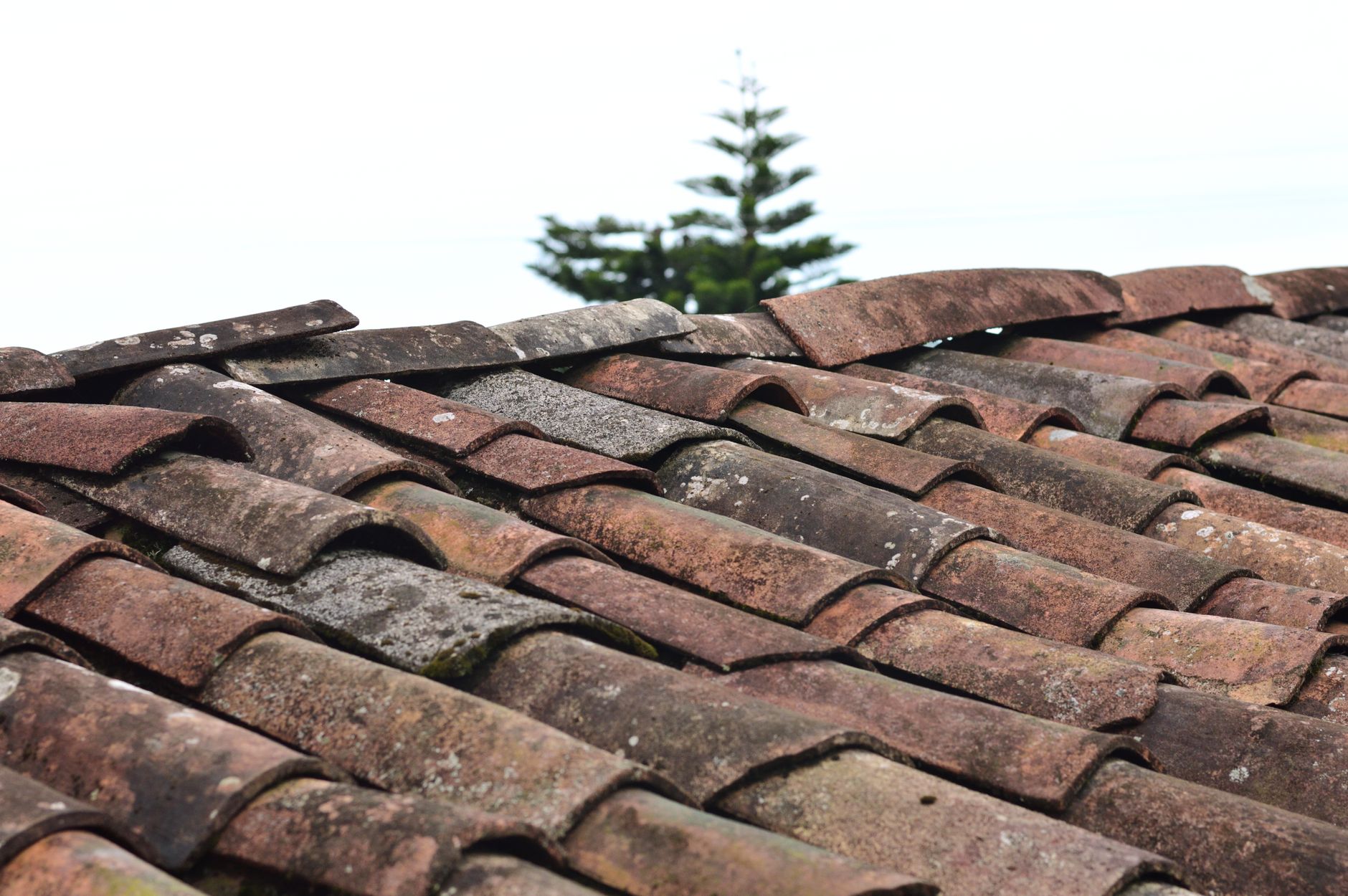
Tile vs. Shingle Roof in San Diego: Cost, Lifespan, and Which One Wins
Choosing between tile and shingle roofing in San Diego comes down to budget, structural capacity, and how long you plan to stay in your home. Tile roofs last 50+ years and handle intense UV exposure exceptionally well, but cost 2 to 3 times more than asphalt shingles upfront. This guide breaks down every factor San Diego homeowners need to make the right call.
10 min read