Tile vs. Shingle Roof in San Diego: Cost, Lifespan, and Which One Wins
By RC Roofing10 min read
Tile wins on durability and UV resistance. Shingles win on upfront cost and structural flexibility. For most San Diego homeowners planning to stay long-term, tile offers stronger return on investment.
Tile vs. Shingle Roof in San Diego: What Is the Core Difference?
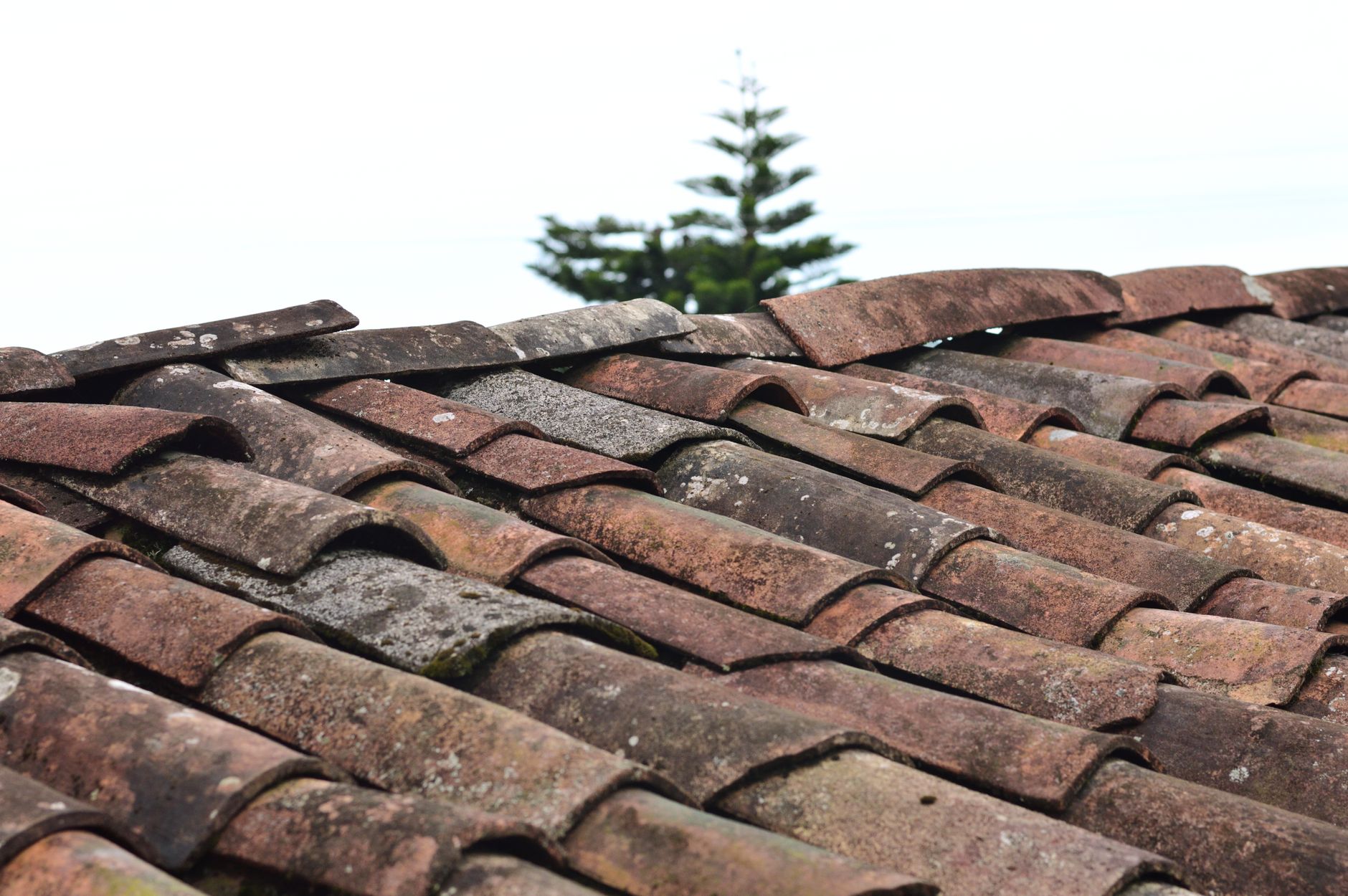
Tile and asphalt shingles represent two fundamentally different engineering approaches to protecting a San Diego home. Concrete and clay tile is a rigid, dense material that excels under prolonged UV exposure and resists fire without chemical treatment. Asphalt shingles are flexible, petroleum-based composites layered over a fiberglass mat, engineered for fast installation and broad compatibility with standard residential framing. San Diego's 266-plus sunny days per year, periodic Santa Ana wind events, and wildfire-interface geography create specific performance demands that each material handles in distinct ways. For example, consider a homeowner in Rancho Bernardo with a 2,000-square-foot home currently covered in 20-year-old asphalt shingles showing visible granule loss and coastal salt corrosion on the metal flashing. California Title 24 energy efficiency standards further shape material selection, requiring cool roof-rated products in many San Diego County climate zones. Concrete tile installation costs range from $10 to $18 per square foot installed, while California-wide tile pricing runs $11.00 to $20.00 per square foot installed. Southern California pricing runs 15 to 25% higher than the national average due to stricter building codes, higher labor rates, and fire-resistance requirements.
Common Roofing Materials Across San Diego County
Concrete tile dominates newer San Diego subdivisions built after 1985, driven by HOA aesthetic standards and local fire codes that require noncombustible roofing in many communities. Three-tab and architectural asphalt shingles remain the default choice in older neighborhoods like North Park, City Heights, and El Cajon, where homeowners need an affordable re-roofing solution compatible with lighter original framing. Clay tile appears most often in historic and Mediterranean-style homes in La Jolla, Coronado, and Rancho Santa Fe, where the material's handcrafted appearance matches the architectural character of the neighborhood. The structural weight difference between materials is decisive: tile weighs 850 to 1,100 lbs per square (100 sq ft), while asphalt shingles weigh roughly 225 to 350 lbs per square. For any San Diego home being converted from shingles to tile, a structural engineer evaluation is not optional. It is required.
How Do Tile and Shingle Roofs Compare on Cost in San Diego?
Cost comparison between tile and shingle roofing in San Diego requires looking beyond the initial installation invoice. Tile ranges from $9 to $18 per square foot installed, which translates to roughly $18,000 to $35,000 for a 2,000-square-foot home depending on material grade and roof complexity. However, that upfront gap narrows substantially when you account for replacement cycles. San Diego's intense UV environment shortens the effective lifespan of asphalt shingles to 18 to 25 years in many exposures, meaning a homeowner who stays in their home for 50 years may replace a shingle roof two or three times. Each replacement carries full tear-off, disposal, permit, and labor costs. Over the same 50-year window, a properly installed tile roof may require only periodic maintenance and occasional cracked-tile repairs. The total cost of ownership math frequently favors tile for homeowners with a long planning horizon.
Which Roof Type Delivers Better Long-Term Value in San Diego?
The long-term value calculation hinges on how long you plan to stay and what your home's structure can support. Structural reinforcement for a tile upgrade adds $2,000 to $5,000 to your project if existing framing needs upgrades. Seismic installation requirements in California add another $0.75 to $1.50 per square foot, a non-negotiable cost in earthquake country. On the insurance side, wildfire hardening discounts launched November 2025 offer up to 16.4% off the wildfire portion of premium when all twelve qualifying hardening measures are documented (latentinsure.com). A Class A fire-rated tile roof qualifies as one of those measures. In San Diego County's high-wildfire zones, FAIR Plan premiums commonly run $5,000 to $12,000 per year (latentinsure.com), making any documented hardening discount genuinely meaningful over time. For homeowners in Rancho Bernardo, Scripps Ranch, or Santee, that math deserves serious attention before choosing the cheaper roofing option.
How Do Tile and Shingle Roofs Perform in San Diego's Climate?
San Diego's climate punishes roofing materials in ways that differ from most of the country. The region does not face freeze-thaw cycling, but it delivers relentless UV radiation, periodic Santa Ana wind events with sustained speeds above 11.18 m/s and frequent gusts exceeding 15.65 m/s (mtu.edu), and occasional winter downpours that stress flashing and underlayment systems. Asphalt shingles absorb UV energy into the asphalt binder, accelerating granule loss and brittleness. In full-sun inland exposures like El Cajon, Lakeside, and Santee, shingles often show significant degradation well before the 25-year mark. Concrete and clay tile, by contrast, derives its color from mineral pigments and does not rely on a surface granule layer. UV exposure does not meaningfully degrade tile's structural integrity, which is why color stability remains strong for 30 or more years. Coastal salt air in areas like Mission Beach, Ocean Beach, and Oceanside presents a separate challenge: it corrodes metal fasteners. Regardless of roofing material, stainless steel or hot-dipped galvanized hardware is essential for coastal San Diego installations.
How Each Roofing Material Handles San Diego's Wildfire Risk Zones
San Diego County includes State Responsibility Areas and Very High Fire Hazard Severity Zones where Class A roofing is legally required, not just recommended. Concrete and clay tile are inherently noncombustible and achieve Class A fire resistance without any additional underlayment modification. This distinction is critical. Architectural asphalt shingles can achieve a Class A rating, but only when paired with a fire-resistant underlayment system. Standard three-tab shingles without that underlayment typically achieve only Class C, which does not meet code in San Diego County's wildfire interface zones. Homeowners in communities like Crest, Alpine, and Valley Center should confirm that any shingle product being considered carries a verified Class A assembly rating, not merely a Class A material rating. When a full permit-pull re-roof is triggered in a State Responsibility Area, current San Diego County building codes may require upgrading from shingles to a Class A assembly that meets the zone's requirements. At RC Roofing, we guide homeowners through these code requirements before any contract is signed, because discovering a mandatory material upgrade mid-project is one of the most avoidable and costly surprises in roofing.
Tile vs. Shingle: Pros, Cons, and Who Each Option Is Right For
Choosing between tile and shingles in San Diego is not simply a budget question. It involves structural capacity, climate zone, HOA rules, ownership timeline, and resale strategy. Tile offers a 50 to 100-year lifespan, inherent Class A fire resistance, excellent UV stability, and strong resale appeal in San Diego's premium zip codes. Its drawbacks are real: higher upfront cost, weight requirements that may necessitate structural reinforcement, longer installation timelines, and the need for professional replacement of cracked individual tiles (which cannot simply be peeled off and reattached the way shingles can). Shingles offer a much lower entry cost, compatibility with virtually any residential framing, faster installation, and easier DIY spot repairs. The trade-off is a shorter lifespan that San Diego's UV environment shortens further, granule loss that accelerates in coastal and inland valley heat, and a moderate resale impact compared to tile. The right choice depends entirely on the homeowner's situation. Here's the breakdown.
Tile is the right choice for:
- Homeowners planning to stay 15 or more years
- Homes in Very High Fire Hazard Severity Zones or State Responsibility Areas
- Properties in HOA communities that require tile by covenant
- Sellers in premium San Diego markets like La Jolla, Del Mar, or Rancho Santa Fe where curb appeal drives buyer perception
Shingles are the right choice for:
- Homeowners with tighter upfront budgets who cannot absorb a $20,000 to $35,000 tile installation
- Older homes with lighter framing not engineered to support tile weight
- Rental properties or homes being prepared for sale within 5 to 10 years
- Re-roofing projects where a structural upgrade would exceed available budget
Tile vs. Shingle Comparison Table
The table below summarizes the key performance and cost factors for San Diego homeowners evaluating both materials side by side. Every figure reflects San Diego County conditions, not national averages.
| Factor | Concrete/Clay Tile | Architectural Asphalt Shingle |
|---|---|---|
| Installed Cost (2,000 sq ft home) | $18,000 to $35,000+ | $8,000 to $16,000 |
| Lifespan in San Diego | 50 to 100 years | 18 to 25 years (UV-accelerated) |
| Fire Rating | Class A (inherent) | Class A (with rated underlayment) |
| Wind Resistance | High when properly fastened; weight is an asset | Moderate; 130 mph-rated shingles available |
| Weight per Square | 850 to 1,100 lbs | 225 to 350 lbs |
| Structural Requirement | May require reinforcement ($2,000 to $5,000) | Fits standard residential framing |
| UV Performance | Excellent; color stable 30+ years | Fair; granule loss within 15 to 20 years |
| Maintenance Frequency | Low; inspect after Santa Ana events | Moderate; reseal or replace sections sooner |
| Resale Value Impact | High in San Diego premium markets | Moderate; neutral to slight positive |
| California Title 24 Compliance | Cool roof-rated tile meets steep-slope requirements | Cool roof-rated shingles available; verify SRI |
| Permit Required in San Diego | Yes | Yes |
| Best Climate Fit for San Diego | Ideal for inland, coastal, and fire-risk zones | Good for budget re-roofs and lighter-framed homes |
What Should San Diego Homeowners Look for in a Tile or Shingle Roofing Contractor?
The San Diego roofing market is crowded and contractor quality varies widely. Every San Diego roofing contractor working on residential projects must hold a California Contractors State License Board Class C-39 roofing license. Verifying that license at cslb.ca.gov takes under two minutes and protects you from unlicensed operators who disappear after taking a deposit. Beyond licensing, the contractor must pull proper permits from the relevant jurisdiction, whether that is the City of San Diego, the City of Chula Vista, the City of El Cajon, or San Diego County's unincorporated area permit office. Contractors who offer to skip the permit are not saving you money. They are exposing you to code violations, voided warranties, and potential liability at resale. Our team at RC Roofing has operated in San Diego County for 34 years, and every project we install is permitted, inspected, and documented for the homeowner's records.
Questions to Ask Before Signing a Roofing Contract in San Diego
Before any contract is signed, San Diego homeowners should press their contractor on several specific points. A written, itemized estimate is non-negotiable. It should break out tear-off and disposal costs, underlayment specification, flashing materials, permit fees, and a separate line for any structural reinforcement if you are upgrading to tile. Vague lump-sum bids make it impossible to compare contractors accurately and are a recognized red flag in San Diego's roofing market. Warranty structure deserves equal scrutiny. A manufacturer product warranty, such as a 50-year coverage from a tile manufacturer, is a separate document from the contractor's workmanship warranty. Both matter. The workmanship warranty covers installation errors that the manufacturer's warranty explicitly excludes. Ask who will physically be on site each day. Some San Diego contractors subcontract all installation labor, which can affect quality control and accountability when issues arise. Get a written project timeline with a committed start date. Delays are the top complaint category in San Diego homeowner roofing reviews, and a contractor who cannot give you a start date has not actually scheduled your project.
Frequently Asked Questions
How long does a tile roof last in San Diego compared to asphalt shingles?
Concrete and clay tile roofs in San Diego typically last 50 to 100 years with proper maintenance. Asphalt shingles have a rated lifespan of 20 to 30 years, but San Diego's intense UV environment commonly shortens that to 18 to 25 years in full-sun exposures. Tile lasts two to four times longer under local conditions.
Is tile roofing worth the extra cost for San Diego homes?
For homeowners planning to stay 15 or more years, tile's 50-plus year lifespan typically makes it more cost-effective than replacing shingles two or three times over the same period. Tile also delivers Class A fire resistance and strong resale value in San Diego's premium markets, partially offsetting the higher upfront installation cost.
Can I replace shingles with tile on an existing San Diego home?
Yes, but a structural evaluation is required first. Tile weighs 850 to 1,100 lbs per square versus 225 to 350 lbs for shingles. If existing framing cannot support the added load, reinforcement typically adds $2,000 to $5,000 to the project. Seismic installation requirements in California add further per-square-foot costs that must be budgeted before work begins.
What roofing material is required in San Diego County wildfire hazard zones?
San Diego County's Very High Fire Hazard Severity Zones and State Responsibility Areas legally require Class A fire-rated roofing. Concrete and clay tile achieve Class A inherently. Asphalt shingles must be paired with a fire-resistant underlayment assembly to qualify. Standard three-tab shingles without that underlayment typically achieve only Class C, which does not meet code in these zones.
How do I know if a San Diego roofing contractor is properly licensed and insured?
Verify the contractor holds a California CSLB Class C-39 roofing license at cslb.ca.gov using their license number. Confirm they carry general liability insurance and workers' compensation coverage. Ask for certificates of insurance directly from their carrier. Also confirm they will pull permits from the correct jurisdiction, whether City of San Diego, a local municipality, or unincorporated San Diego County.
How much does a tile roof cost in San Diego compared to asphalt?
Concrete tile installation in California runs $11.00 to $20.00 per square foot installed, and Southern California pricing runs 15 to 25% above the national average due to stricter codes and higher labor rates. For a 2,000-square-foot home, expect $18,000 to $35,000 for tile versus $8,000 to $16,000 for architectural asphalt shingles, before any structural reinforcement costs.
How long do asphalt shingles last in San Diego's climate?
Architectural asphalt shingles are rated for 20 to 30 years, but San Diego's UV intensity and heat accelerate granule loss and binder degradation. In full-sun exposures common in inland areas like El Cajon, Lakeside, and Santee, effective lifespan often falls to 18 to 25 years. Proper underlayment and ventilation can extend performance toward the upper end of that range.
How long can a tile roof last in San Diego?
Concrete and clay tile roofs in San Diego can last 50 to 100 years when properly installed and maintained. San Diego's dry climate is actually favorable for tile longevity because the region lacks freeze-thaw cycling, which is a primary cause of tile cracking in colder climates. Periodic inspection after Santa Ana wind events and re-bedding of ridge tiles are the main maintenance requirements.
What factors affect roof replacement cost in San Diego?
Key cost drivers include roof size and pitch, material selection (tile versus shingles), tear-off and disposal of the existing roof, underlayment grade, flashing replacement, and permit fees from the relevant San Diego jurisdiction. Structural reinforcement for tile upgrades, seismic fastening requirements, and coastal hardware upgrades for salt-air corrosion resistance add additional costs specific to San Diego County projects.
Sources & References
About the Author
RC Roofing
RC Roofing is San Diego County's premier roofing contractor with over 34 years of expertise in residential and commercial installation, replacement, repair, and maintenance.
Related Posts
How to Verify a San Diego Roofer's C-39 License Before You Hire
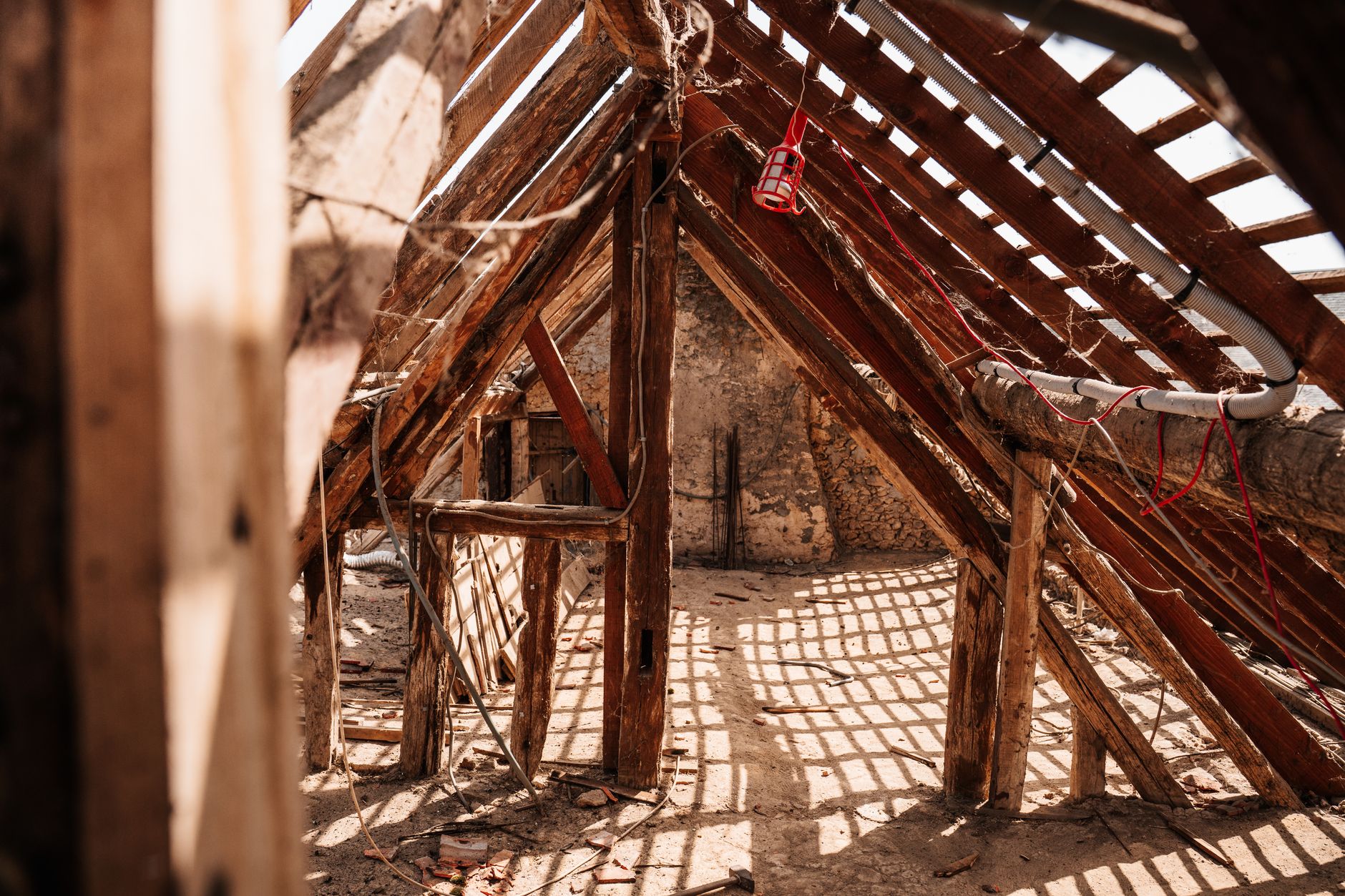
Hiring an unlicensed roofer in San Diego can void your homeowner's insurance and leave you liable for worker injuries. This guide walks you through exactly how to verify a contractor's C-39 roofing license with the California Contractors State License Board in under five minutes, before you sign anything.
9 min read
TPO vs. PVC Roofing for San Diego Commercial Buildings: Full Comparison
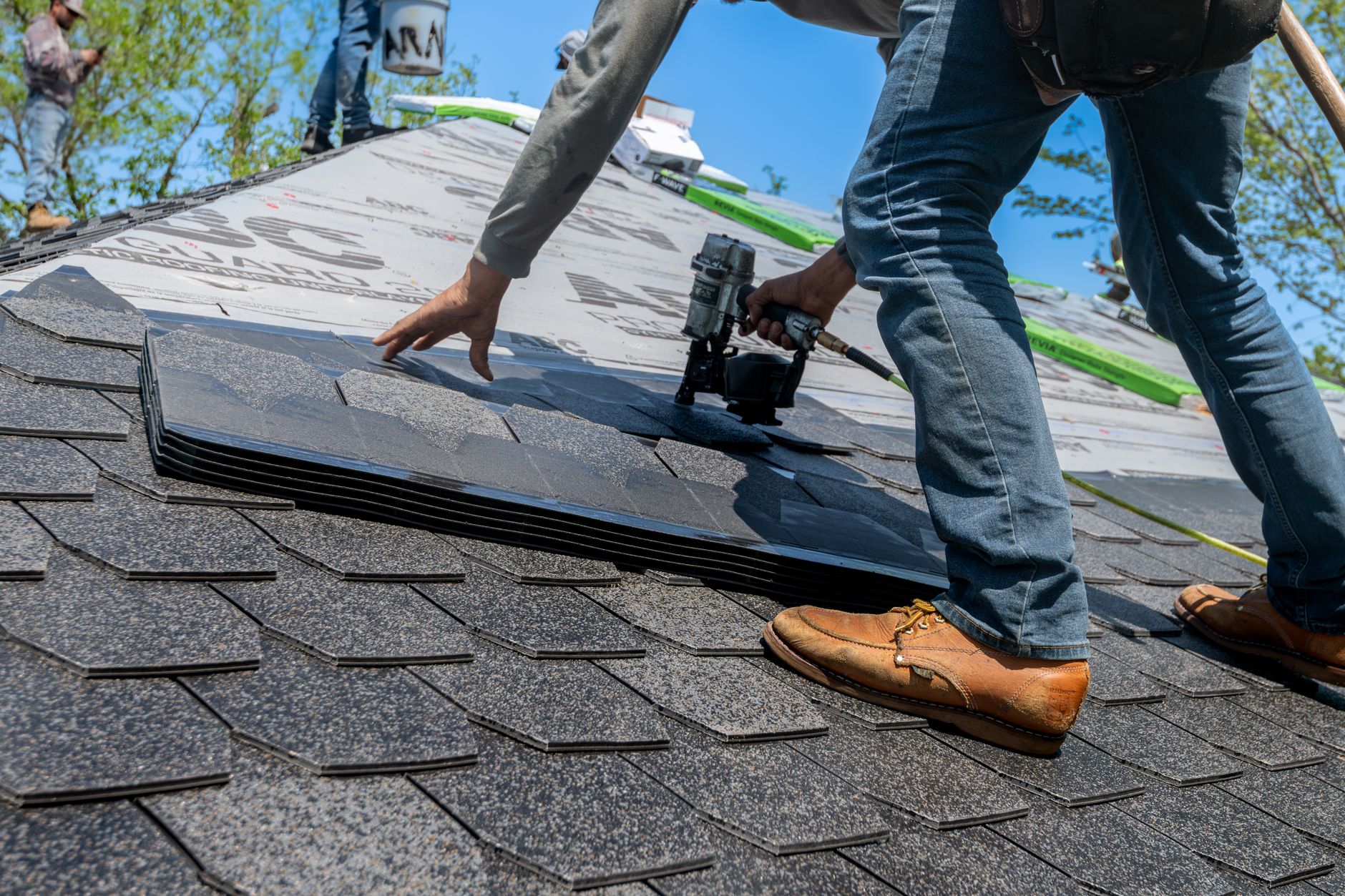
Choosing between TPO and PVC roofing for your San Diego commercial building? Both are single-ply membranes with strong track records, but they differ in cost, chemical resistance, and long-term UV performance. This comparison breaks down every key factor so you can choose the right flat roof system for Southern California conditions.
12 min read